COPD Awareness Month: Breathing Easier in Our Arkansas Communities
November is COPD Awareness Month, a time to raise awareness about lung health and remind our community that every breath matters. For individuals and families across North Central Arkansas, understanding chronic obstructive pulmonary disease (COPD), recognizing its warning signs, and seeking care early can make an important difference in quality of life.
At Izard Regional Hospital, we believe that education, prevention, and compassionate, patient-centered care are essential to building healthier communities. This November, we encourage everyone to learn more about COPD, recognize changes in their breathing, and take steps to protect their lung health.
COPD is a serious, long-term condition, but it is not a normal part of aging. If you or someone you love is experiencing ongoing breathing difficulties, talking with a healthcare provider is an important first step.
What Is COPD Awareness Month?
COPD Awareness Month is observed each November to educate the public about chronic obstructive pulmonary disease, a group of lung conditions that make breathing difficult. COPD includes emphysema and chronic bronchitis, which can damage the lungs and restrict airflow over time.
COPD can affect a person’s ability to perform everyday activities, from walking and climbing stairs to completing household chores or enjoying time with family. Although the condition can be challenging, early diagnosis and appropriate treatment can help people manage symptoms and maintain a better quality of life.
During November, healthcare providers and community organizations work to highlight three important goals:
- Recognize symptoms early: Learn to identify warning signs such as persistent coughing, wheezing, and shortness of breath.
- Encourage proper diagnosis: Help people understand when to seek medical advice and how breathing tests can identify COPD.
- Promote ongoing care: Encourage individuals living with COPD to follow their treatment plans, attend regular checkups, and make healthy lifestyle choices.
Raising awareness is especially important in rural communities, where understanding symptoms and knowing when to seek care can help people take a more active role in their health.
Understanding COPD and Its Impact
COPD gradually affects the lungs and airways, making it more difficult to move air in and out of the body. As the condition progresses, breathing may become increasingly difficult, and routine activities can require more effort.
Several factors can increase a person’s risk of developing COPD, including:
- Smoking: Cigarette smoking is a leading cause of COPD.
- Secondhand smoke: Regular exposure to other people’s tobacco smoke can contribute to lung damage.
- Environmental and workplace exposure: Long-term exposure to dust, chemical fumes, air pollution, and other lung irritants may increase risk.
- Genetics: Certain inherited conditions, such as alpha-1 antitrypsin deficiency, can contribute to COPD.
Although COPD cannot currently be cured, treatment can help reduce symptoms, improve daily functioning, and lower the risk of complications. Quitting smoking, avoiding lung irritants, taking prescribed medications, and working closely with a healthcare provider can all play important roles in managing the disease.
Why COPD Awareness Matters in Rural Arkansas
Access to healthcare and health education is important for every community, particularly in rural areas where specialized services may require additional travel. People living with chronic conditions may also face challenges coordinating appointments, managing medications, and balancing multiple health concerns.
For older adults and individuals with other chronic conditions, such as heart disease or diabetes, COPD can add another layer of complexity to daily health management.
At Izard Regional Hospital, we are committed to providing quality, compassionate healthcare to the communities we serve. Our mission emphasizes patient-centered care and supporting the health and wellness of individuals and families throughout our region.
We encourage community members to maintain regular contact with their healthcare providers, discuss any new or worsening breathing symptoms, and ask questions about the care and resources available to them.
Early Signs of COPD You Should Not Ignore
COPD often develops gradually, and its early symptoms may be mistaken for getting older, being out of shape, or recovering from a respiratory illness. Recognizing changes in breathing and discussing them with a healthcare provider can help people receive an appropriate evaluation.
Common symptoms of COPD include:
- A persistent cough that may produce mucus.
- Shortness of breath, especially during physical activity.
- Wheezing or a feeling of tightness in the chest.
- Frequent respiratory infections, including bronchitis.
- Ongoing fatigue or difficulty completing everyday activities.
These symptoms can have several causes, so experiencing one or more does not automatically mean you have COPD. However, persistent or worsening symptoms should not be ignored.
A healthcare provider may recommend spirometry, a breathing test that measures how much air a person can exhale and how quickly they can do so. This test can help determine whether airflow obstruction is present and whether additional evaluation is needed.
If you experience persistent breathing changes, schedule an appointment with your healthcare provider. If you develop severe or sudden difficulty breathing, seek emergency medical attention.
Managing COPD: The Importance of Ongoing Care
Living with COPD often requires a long-term approach that includes medical care, healthy habits, and regular monitoring. A treatment plan will depend on the individual’s symptoms, the severity of the condition, and other health needs.
Important steps in COPD management may include:
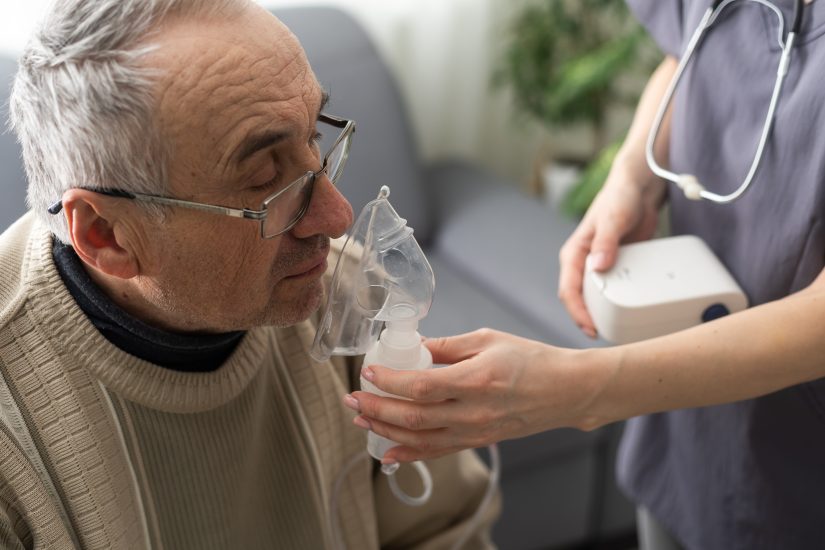
- Taking medications as prescribed. Inhalers and other medications may help open the airways, reduce inflammation, or manage symptoms. Follow your healthcare provider’s instructions and ask questions if you have difficulty using your medication correctly.
- Avoiding tobacco smoke and lung irritants. Quitting smoking is one of the most important steps a person with COPD can take to protect their lung health. Healthcare providers can discuss available smoking-cessation resources and strategies.
- Staying physically active within your abilities. Appropriate physical activity can help maintain strength and endurance. Ask your healthcare provider what activities are safe and suitable for your condition.
- Maintaining good nutrition. A balanced diet supports overall health and can help people manage chronic conditions. Izard Regional Hospital offers nutrition services that include support for individuals managing pulmonary diseases such as COPD.
- Keeping up with appointments and vaccinations. Regular medical visits help healthcare providers monitor symptoms and adjust treatment when needed. Recommended vaccinations can also help protect against certain respiratory infections that may be particularly serious for people with COPD.
- Knowing when symptoms are getting worse. Increased shortness of breath, changes in mucus, or a worsening cough may indicate an exacerbation that requires medical attention. Talk with your healthcare provider about creating a plan for managing symptom changes.
For some patients, additional treatment, oxygen therapy, or pulmonary rehabilitation may be appropriate. These services should be discussed with a healthcare provider based on individual medical needs.
How Izard Regional Hospital Supports Community Health
At Izard Regional Hospital, we understand that good health involves more than treating an illness. Education, prevention, early evaluation, and ongoing support all contribute to better health outcomes.
Our hospital provides a range of local healthcare services, including emergency care, laboratory testing, radiology, and nutrition services. These services help support the healthcare needs of individuals and families in our rural communities.
Our nutrition services can be particularly helpful for people managing chronic conditions, including pulmonary disease. Nutrition guidance tailored to an individual’s needs can support overall wellness and complement a broader care plan developed with their healthcare provider.
We encourage patients to speak with their healthcare providers about breathing concerns, available services, and appropriate next steps for evaluation and treatment.